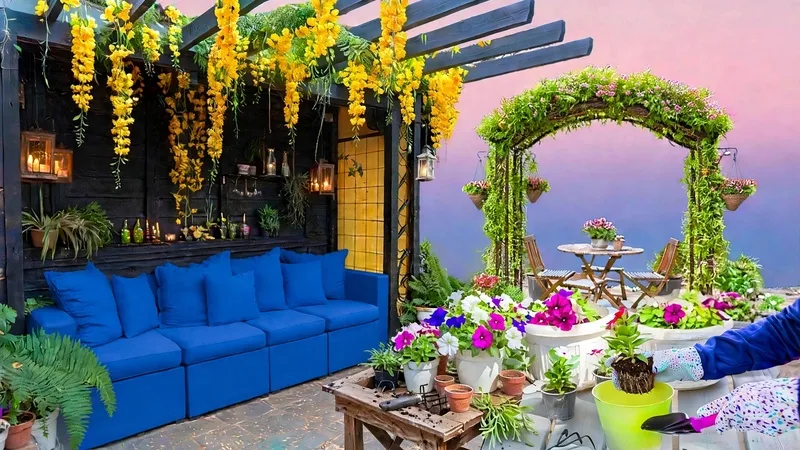
A terrace can become one of the most enjoyable areas of a home when it is designed with comfort, creativity, and practical planning in mind. Whether you have a small rooftop space or a large open terrace, the right decoration choices can make it more attractive and useful. You do not always need expensive furniture or complicated designs to create a welcoming outdoor environment. Simple furniture, suitable plants, comfortable seating, and thoughtful lighting can make a noticeable difference.Terrace decoration Decadgarden is about finding practical ways to improve outdoor spaces while making them suitable for everyday activities. From relaxing with family to enjoying fresh air or spending quiet evenings outdoors, a well-organized terrace can serve many purposes.
In this guide, we explore useful decoration ideas, furniture choices, plant arrangements, lighting options, flooring materials, and maintenance suggestions to help you create a terrace that matches your home and lifestyle.
What Is Terrace Decoration Decadgarden?
Terrace decoration Decadgarden is about transforming an ordinary terrace into a beautiful, comfortable, and functional outdoor space. It includes choosing suitable furniture, adding colorful plants, installing attractive lighting, selecting stylish flooring, and using creative decorative accessories. Whether you have a small balcony-style terrace or a large rooftop area, thoughtful decoration can make it a perfect place for relaxing, enjoying fresh air, and spending quality time with family. With simple ideas and practical planning, you can create a welcoming terrace that reflects your personal style.
1. Understand Your Terrace Space Before Decorating
Before purchasing furniture or choosing decorations, take some time to understand the available space. Every terrace has different dimensions, layouts, sunlight conditions, and practical requirements.
Start by measuring the length and width of your terrace. Notice which areas receive direct sunlight, where rainwater collects, and whether there are walls, railings, or covered sections.
Consider how you want to use the space. Some homeowners prefer a comfortable seating area, while others want a small garden, an outdoor dining space, or a combination of different features.
For smaller terraces, avoid filling every corner with furniture. Keeping enough open space makes movement easier and helps the area feel less crowded. Larger terraces can accommodate separate sections for seating, plants, and dining.
Planning before decorating also helps prevent unnecessary purchases and makes better use of your available budget.
2. Choose Comfortable and Practical Terrace Furniture
Furniture plays an important role in creating a comfortable outdoor environment. However, outdoor furniture should be selected according to the size of the terrace, local weather, and intended use.
Popular options include:
- Outdoor chairs: Suitable for relaxing, reading, or enjoying fresh air.
- Compact sofas: Useful for creating a comfortable seating arrangement.
- Small tables: Provide convenient space for drinks, books, and outdoor accessories.
- Foldable furniture: Helpful for terraces with limited space.
- Outdoor benches: Offer practical seating without taking up too much room.
Choose materials designed for outdoor conditions. Powder-coated metal, treated wood, and suitable outdoor plastics can be practical choices, depending on their quality and maintenance requirements.
Cushions and fabric covers can make seating more comfortable. However, select outdoor-rated fabrics that are designed to handle sunlight and moisture. Store removable cushions in a dry place during heavy rain or when they are not being used.
The best terrace decoration Decadgarden ideas focus on combining comfort, appearance, and everyday functionality rather than simply adding more furniture.
3. Add Plants for a Fresh and Natural Look
Plants are one of the easiest ways to make a terrace feel more inviting. They introduce natural colors, improve the visual appearance of the space, and create a pleasant outdoor atmosphere.
You can use different types of plants depending on the available sunlight and local climate.
For example:
- Flowering plants: Add color and seasonal interest.
- Small shrubs: Help create a green and organized appearance.
- Herbs: Basil, mint, and rosemary can be useful additions where growing conditions are suitable.
- Climbing plants: Can add greenery to suitable walls or garden supports.
- Decorative foliage plants: Provide attractive leaves and different textures.
Container gardening is particularly useful for terraces because plants can be arranged without requiring a traditional garden bed.
Choose containers with drainage holes to prevent excess water from collecting around plant roots. Use suitable potting mixtures for the plants you select, and avoid placing heavy containers where they could create structural or drainage problems.
Before adding many plants, check how much sunlight your terrace receives throughout the day. Some plants need several hours of direct sunlight, while others grow better in partial shade.
4. Use Outdoor Lighting to Create a Welcoming Atmosphere
Lighting can make a terrace more useful after sunset while adding visual interest. A good lighting arrangement should provide enough visibility without creating unnecessary glare.
There are several practical options to consider:
String Lights: These can create a soft decorative effect along suitable walls, covered areas, or railings. Choose outdoor-rated products and install them according to the manufacturer’s instructions.
Solar Garden Lights: Solar-powered lights can be useful around planters and outdoor pathways. Their performance depends on sunlight exposure and battery quality.
Wall Lights: Outdoor wall fixtures provide practical illumination and can highlight selected areas of the terrace.
LED Lights: Energy-efficient LED fixtures are available in different brightness levels and designs. Select weather-rated products suitable for outdoor installation.
Lanterns: Decorative lanterns can add character to seating areas. Battery-operated options are a convenient alternative to open flames.
Make sure electrical connections, cables, and fixtures are suitable for outdoor use. Keep electrical equipment away from standing water and arrange professional installation when needed.
5. Select Suitable Flooring and Floor Decorations
Terrace flooring affects both the appearance and usability of an outdoor area. The right material should be suitable for weather exposure, easy to maintain, and safe to walk on.
Some common flooring options include:
- Outdoor tiles: Available in different colors, patterns, and textures. Choose weather-resistant, slip-resistant options.
- Wooden decking: Creates a warm natural appearance but requires appropriate treatment and maintenance.
- Composite decking: Can offer a wood-like appearance with different maintenance requirements depending on the product.
- Outdoor rugs: Help define seating areas and add color without changing the permanent flooring.
- Stone flooring: Provides a natural appearance and can be suitable for different outdoor designs.
Always consider drainage and water resistance before selecting flooring. Outdoor surfaces should not become dangerously slippery when wet.
If you are planning major flooring changes, check the terrace’s structural capacity and waterproofing requirements. Consult a qualified professional before installing heavy materials or making permanent alterations.
6. Create a Small Outdoor Dining or Relaxation Area
A terrace does not have to be used only for decoration. With thoughtful planning, it can become a useful place for everyday activities.
A small outdoor dining area can include a compact table and two or four chairs, depending on the available space. This arrangement can be useful for breakfast, evening tea, or casual family meals.
If relaxation is your priority, consider a comfortable chair, a small side table, and a few decorative plants. You can also add outdoor cushions and a weather-resistant shade to improve comfort.
For larger terraces, separate dining and relaxation sections using planters, outdoor rugs, or furniture placement.
Keep walkways clear and make sure furniture does not block doors, drainage points, or access routes.
These simple arrangements are central to terrace decoration Decadgarden, where the goal is to make outdoor spaces attractive while keeping them practical for everyday living.
7. Use Colors and Decorative Accessories Carefully
Colors can influence the overall appearance of a terrace. A balanced color combination helps create a coordinated design without making the space look overcrowded.
Neutral shades such as beige, white, grey, and natural wood tones work well as a foundation. You can introduce additional colors through cushions, plant pots, outdoor rugs, and decorative accessories.
For example, green plants can look attractive with natural wood furniture, while light-colored cushions can create a fresh appearance.
Useful decorative accessories include:
- Outdoor cushions and pillows
- Weather-resistant rugs
- Decorative plant pots
- Wall-mounted planters
- Small garden ornaments
- Outdoor-friendly storage baskets
Try to maintain a consistent style instead of mixing too many unrelated colors and patterns. A few carefully selected accessories often look better than excessive decoration.
8. Make Small Terraces Look More Spacious
Small terraces can still become attractive and comfortable places. The key is to use available space efficiently and avoid unnecessary furniture.
Here are some helpful ideas:
Use Foldable Furniture: Tables and chairs that can be folded away provide flexibility when additional space is needed.
Add Vertical Planters: Wall-mounted containers and vertical garden systems can introduce greenery without occupying much floor space.
Choose Compact Seating: Smaller benches and chairs are often more practical than large outdoor sofas.
Keep the Floor Open: Avoid placing decorative objects in every corner. Open areas make movement easier.
Use Light Colors: Lighter shades can create a brighter visual appearance, particularly in smaller outdoor areas.
Organize Storage: Outdoor storage boxes can help keep gardening supplies, cushions, and accessories organized.
A simple layout with a few useful features can make even a limited terrace feel welcoming.
9. Consider Privacy and Weather Protection
Privacy and weather protection are important when planning an outdoor terrace. Depending on the property’s location, nearby buildings, and exposure to wind or sunlight, additional features may improve comfort.
Outdoor privacy screens, suitable planters, and approved fencing arrangements can help create a more private environment.
Shade options include:
- Outdoor umbrellas
- Retractable awnings
- Pergolas
- Suitable shade sails
- Weather-resistant curtains for covered areas
Choose products according to local weather conditions. Strong winds can affect umbrellas, screens, and lightweight decorations, so secure them properly and follow installation instructions.
For permanent structures, check local building requirements and consult a qualified professional where necessary.
10. Keep Your Terrace Clean and Well Maintained
Regular maintenance helps preserve the appearance and usefulness of a decorated terrace. Outdoor spaces are exposed to dust, rain, sunlight, and changing temperatures, so occasional cleaning is important.
Sweep the floor regularly to remove leaves and dirt. Clean outdoor furniture according to the manufacturer’s recommendations, and check metal surfaces for signs of corrosion.
Water plants according to their individual needs and remove dead leaves when necessary. Inspect pots to make sure drainage holes remain clear.
You should also:
- Check outdoor lights and electrical fittings regularly.
- Clean outdoor rugs according to their care instructions.
- Remove standing water from suitable surfaces.
- Check drainage outlets for leaves and debris.
- Store weather-sensitive accessories during severe weather.
- Inspect wooden furniture for signs of wear.
A simple maintenance routine can help prevent small problems from becoming expensive repairs.
11. Plan Your Terrace Decoration According to Your Budget
Creating an attractive terrace does not require purchasing everything at once. A gradual approach allows you to improve the space while keeping spending under control.
Begin with the most important requirements, such as safe flooring, comfortable seating, and suitable lighting. Once these basic features are in place, you can gradually add plants, cushions, rugs, and decorative accessories.
Consider reusing furniture that is already suitable for outdoor conditions. A simple cleaning or appropriate refinishing may improve its appearance.
Compare product quality, weather resistance, and maintenance requirements before making purchases. A low-cost item that needs frequent replacement may not offer good long-term value.
The best decorating decisions are those that match your needs, available space, and budget.
Frequently Asked Questions (FAQs)
1. How can I decorate a terrace on a small budget?
Start with affordable improvements such as simple seating, potted plants, outdoor cushions, and suitable decorative lighting. Reusing existing furniture can also reduce costs.
2. Which plants are suitable for terrace decoration?
The best plants depend on sunlight, climate, wind exposure, and available space. Herbs, flowering plants, and suitable foliage plants are common container-gardening choices.
3. How can I make a small terrace look bigger?
Use compact furniture, vertical planters, light colors, and organized storage. Keeping the floor open can also make a small terrace feel more spacious.
4. What type of lighting is best for a terrace?
Outdoor-rated LED lights, wall fixtures, solar lights, and suitable string lights are useful options. Choose lighting according to the size and layout of your terrace.
5. How do I protect terrace furniture from weather?
Choose weather-resistant materials, use suitable protective covers, and store removable cushions in a dry location. Follow the manufacturer’s maintenance instructions.
6. How often should I clean my terrace?
Basic sweeping and removal of leaves can be done regularly, while deeper cleaning depends on weather, foot traffic, plants, and the type of flooring and furniture.
Final Thoughts
A well-decorated terrace can provide additional space for relaxation, gardening, dining, and enjoying the outdoors. You can create a comfortable environment by choosing practical furniture, suitable plants, attractive lighting, and weather-resistant materials.
The most successful designs are not necessarily the most expensive. Good planning, balanced colors, proper maintenance, and thoughtful use of space can make a meaningful difference.
Whether you have a compact rooftop or a spacious outdoor area, terrace decoration Decadgarden offers plenty of inspiration for creating a space that reflects your preferences and supports your everyday lifestyle.
Start with a few simple improvements, understand what works best for your terrace, and gradually build an outdoor area that you can enjoy throughout the year. Click here see more details.